Hidden Meanings in Unit Insignia and Heraldry

The Language of Colors and Metals
Common Animals and Their Combat Meanings
Geometric Shapes and Border Styles
A single brass jump wing pinned to a weathered flight suit tells a story of altitude and adrenaline. On a collector's shelf, a small metal insignia might look like just another piece of scrap metal, but to those who know what to look for, it’s a coded language. This post breaks down the complex world of unit heraldry, explaining how colors, animals, and geometric shapes represent a unit's history, mission, and combat record. Understanding these symbols helps you move from being a casual buyer to a serious historian.
What Do Colors Represent in Military Heraldry?
Colors in military insignia represent specific virtues, elements, or the historical lineage of a unit. In the world of heraldry, color isn't just about aesthetics; it's about identity. For example, gold (or Or) typically signifies excellence or high value, while red (or Gules) often represents courage or blood spilled in battle. If you see a patch with a heavy emphasis on blue, you're likely looking at a symbol of loyalty or sky-based operations, common in Air Force or Naval aviation units.
The use of color is deeply rooted in traditional heraldic rules. You'll notice that certain combinations aren't accidental. A unit that specializes in desert warfare might lean into tan and brown palettes, not just for camouflage, but to reflect their environment. It’s a way of rooting the unit in its specific theater of operations. When you're looking at vintage metal insignia, the patina and the specific shade of the enamel can actually tell you a lot about the era of production.
If you're unsure about the preservation of these colored elements, you might want to look into storing metal insignia to prevent oxidation. Once the enamel cracks or the metal tarnishes, the "language" of the piece becomes much harder to read.
Here is a quick breakdown of common color associations found in unit heraldry:
| Color (English) | Heraldic Term | Common Meaning |
|---|---|---|
| Gold/Yellow | Or | Excellence, Honor, or the Sun |
| Silver/White | Argent | Purity, Peace, or Integrity |
| Red | Gules | Bravery, Sacrifice, or Fire |
| Blue | Azure | Loyalty, Vigilance, or the Sky |
| Black | Sable | Constancy or Grief/Mourning |
How Can You Identify Unit Symbols and Icons?
Identifying unit symbols requires looking at the specific "charges"—the central images—used within the design. Most military iconography uses a mix of animals, weapons, and geometric shapes to communicate a unit's specialized function. For instance, a predatory bird like an eagle or hawk usually denotes air superiority or high-altitude surveillance. A lion or a bear might represent raw power or ground-based strength. It’s a visual shorthand that's been used for centuries.
When you're examining a small collectible, look at the shape of the weapon or tool depicted. A crossed saber implies cavalry or traditional combat, while a modern stylized lightning bolt often represents communications or rapid strike capabilities. These aren't just random drawings. They are carefully curated symbols meant to instill pride in the soldiers wearing them and respect in those facing them.
Sometimes, the symbol is even more subtle. A chevron might simply denote rank, but in a unit-specific patch, it might represent a specific tactical movement. If you see a compass rose, you're looking at a unit with a global or navigational focus. It's worth noting that many of these designs are officially registered through the National Archives or specific branch-level heraldry offices to ensure consistency across the force.
To get better at this, I suggest grouping your collection by "theme" rather than just by era. You'll start to see patterns. You'll notice how certain units in the same theater of war—like the Pacific during WWII—share similar motifs. This is how you build a "collector's eye."
A few common symbols to watch for:
- The Sword/Sabre: Represents combat, authority, and the willingness to fight.
- The Lightning Bolt: Symbolizes speed, electronic warfare, or communications.
- The Anchor: The universal sign for naval or maritime strength.
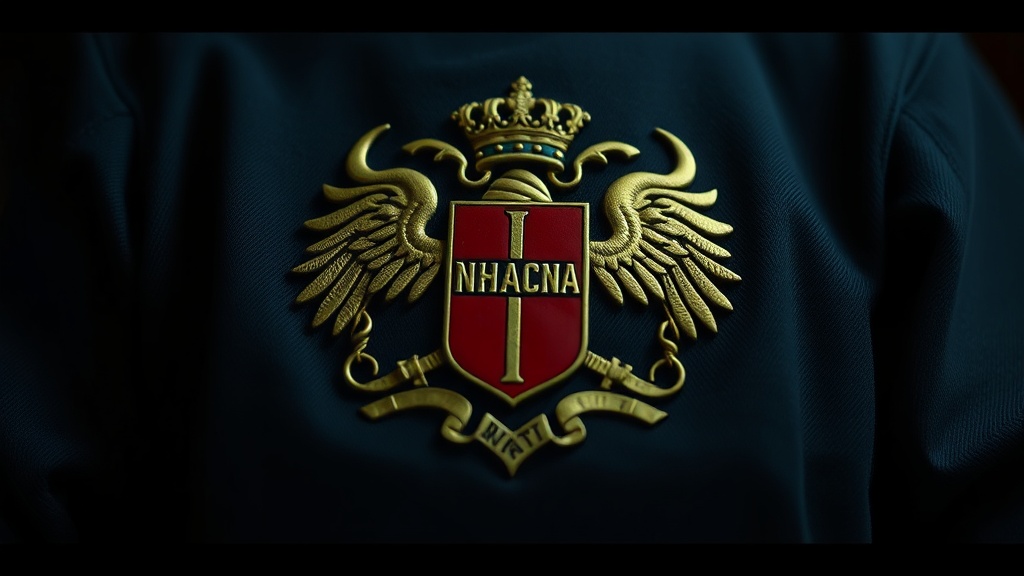
- The Winged Motif: Indicates aviation, flight, or rapid deployment.
- The Shield: Represents defense, protection, and steadfastness.
If you're trying to determine if a patch is a legitimate historical piece or a modern reproduction, you should start by evaluating subdued patches for field authenticity. The way a symbol is rendered—whether it's embroidered or printed—can change the historical context entirely.
Why Do Some Insignia Use Different Shapes?
The shape of a patch or insignia (often called the "shield" or "frame") is determined by the unit's specific branch, function, or historical lineage. While a circular patch is common for many general service units, specialized units often use unique shapes to stand out. For example, a shield-shaped patch might denote a defensive or infantry unit, whereas a diamond or a hexagon might be used for specialized technical or intelligence roles. The shape is the "container" for the history inside it.
The geometry isn't just for looks. In many cases, the shape itself is a piece of the puzzle. A "lozenge" or diamond shape might be used for certain specialized training commands. A circular patch is often the standard for "combat patches" or "shoulder sleeve insignia" (SSI) that soldiers wear to show their recent deployment history. It's a way to create a visual hierarchy. You can tell at a glance who is a regular member of a unit and who is a specialized specialist.
Think about the difference between a standard circular patch and a specialized crest. The crest is the "soul" of the unit. It's the part that carries the heavy weight of the heraldry. If you're looking at a piece of metal insignia, the shape of the base metal can also tell you about the era. Older pieces often have more intricate, hand-stamped edges, while modern pieces are much more standardized and machine-perfect.
The nuance is in the details. A collector who ignores the shape of the insignia is like a person reading a book but skipping the chapters. You're missing the structural context that makes the symbol meaningful. It's the difference between seeing a "logo" and seeing a "legacy."
A lot of people ask me if the shape of a patch actually matters for value. The answer is a definite yes. A unique, non-standard shape often indicates a specialized or "elite" unit, which can drive up the desirability of the item in the secondary market. A standard circular patch is common; a uniquely shaped, high-quality metal insignia from a specialized division is a trophy.
I've seen many collectors get caught up in the colors, but don't forget to look at the silhouette. The silhouette is the first thing a person sees from a distance. It's the most basic part of the unit's identity. If you can identify the shape, you're halfway to identifying the unit itself.
Keep an eye out for these distinct shapes in your next find:
- The Shield: Common for infantry and defensive units.
- The Circle: The most universal shape, often used for general service or rank.
- The Diamond: Frequently used for intelligence or technical specialties.
- The Hexagon: Often seen in modern, high-tech or specialized training units.
It's a deep rabbit hole. But once you start seeing the connections between the colors, the icons, and the shapes, the whole collection starts to make sense. It's no longer just a pile of cloth and metal; it's a library of history.