How to Store Military Patches Without Damaging the Embroidery

Quick Tip
Always store military patches in acid-free archival materials away from direct sunlight to prevent embroidery thread fading and fabric degradation.
What's the Best Way to Store Military Patches Long-Term?
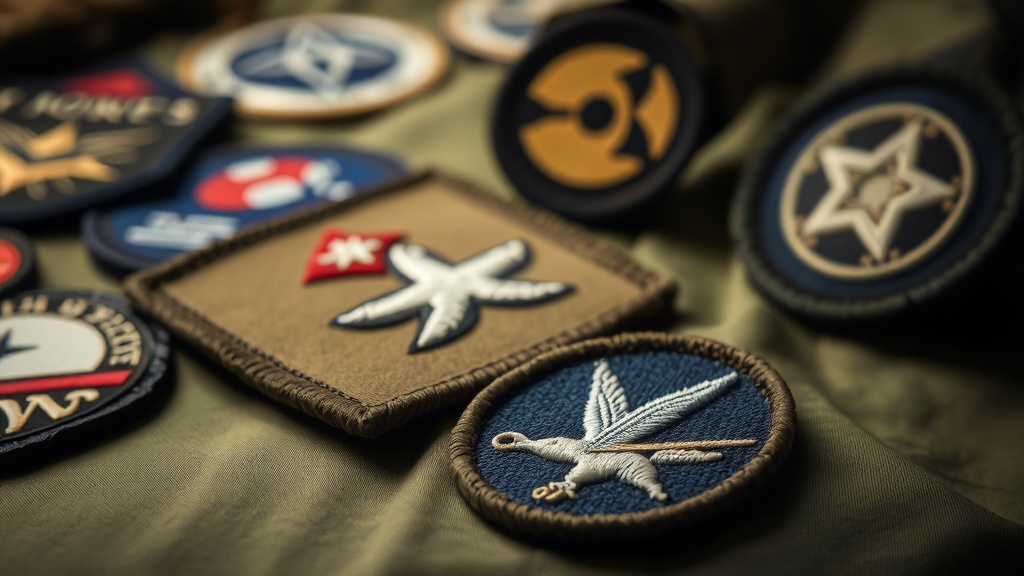
Embroidered military patches are surprisingly fragile. Without proper storage, threads fray, colors fade, and those intricate designs you've collected turn into fuzzy shadows of their former selves. This guide covers the storage methods that actually work — from acid-free archival solutions to everyday options that won't destroy your collection.
Do Plastic Bags Damage Military Patches?
Standard plastic bags absolutely damage patches over time. Regular polyethylene traps moisture and creates a microclimate where mold thrives. The static cling also pulls at loose threads.
That said, not all plastic is the enemy. Polyester Mylar sleeves — the same material used for comic book preservation — work beautifully. They're inert, crystal clear, and won't off-gas chemicals that yellow fabric. You'll find these at archival supply shops like University Products or Gaylord Archival.
The catch? Mylar costs more — roughly $0.50 per sleeve versus pennies for cheap baggies. For common modern patches, acid-free paper envelopes (Lineco makes excellent ones) do the job at half the price.
What's the Ideal Storage Container for Patch Collections?
Archival-quality binders with acid-free pages win for accessibility and protection. The 3-ring D-ring binders from Pioneer Photo Albums — specifically their refillable scrapbook line — handle patch pages without warping.
| Container Type | Best For | Price Range | Longevity |
|---|---|---|---|
| Acid-free photo boxes | Bulk storage, rare patches | $15-30 | 50+ years |
| Mylar sleeve binders | Display, frequent handling | $30-60 | 30-50 years |
| Shadow boxes with UV glass | Showcase pieces | $40-150 | 20+ years (with glass) |
| Plastic shoeboxes | Short-term only | $5-10 | 5-10 years (risks fading) |
Worth noting: temperature swings kill patches faster than almost anything. That attic? The garage? Death sentences for embroidery. Stable room temperature — think 65-70°F — keeps fibers relaxed and colors true.
How Should You Handle Patches to Prevent Thread Damage?
Always pick patches up by their edges. The oils in fingertips — invisible, acidic — accumulate on threads and attract dust. White cotton gloves (available at art supply stores) sound fussy but matter enormously for silk-thread patches or vintage WWII pieces.
Here's the thing about folding: don't. Ever. Even "temporary" creases become permanent memory lines in fabric. If space is tight, roll patches loosely in acid-free tissue rather than stacking them flat under pressure.
For patches currently on uniforms — a common scenario for collectors — the Northeast Document Conservation Center recommends padded hangers and garment bags with breathable cotton drill covers. Never seal vintage uniforms in vacuum bags; the compression damages raised embroidery.
One final detail: check stored patches every six months. Look for foxing (those rust-colored spots), mildew smells, or insect damage. Caught early, most issues are fixable. Ignored? Your collection becomes a cautionary tale on Reddit's r/Militariacollecting.