
Military Patch Collecting Guide: How to Identify, Value, and Build a Serious Collection

There’s a difference between casually picking up military patches and building a collection that actually holds historical and financial value. Most beginners don’t realize how quickly small mistakes—bad storage, poor authentication, or overpaying—can flatten a collection before it even gets momentum.
This guide breaks down what actually matters: how to identify authentic patches, understand value drivers, avoid common traps, and build a collection that feels intentional instead of random.
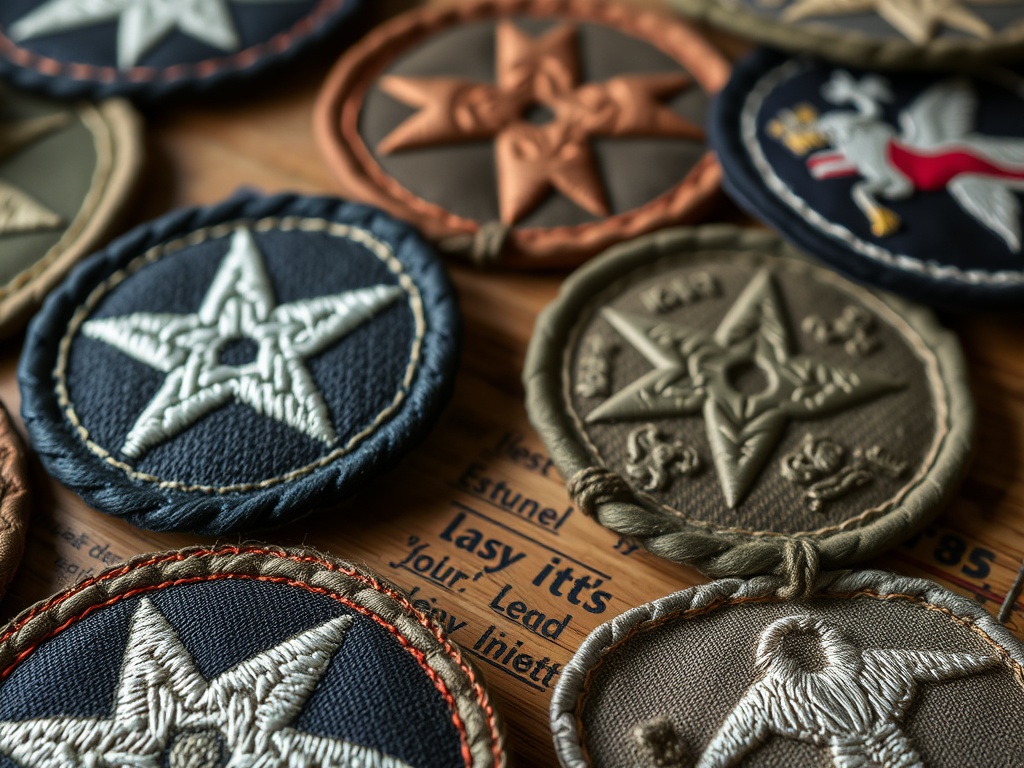
1. Understanding What Makes a Patch Valuable
Not all military patches are created equal. Two patches that look nearly identical can differ massively in value depending on subtle details.
Key value drivers:
- Era: WWII and Vietnam-era patches tend to command higher interest than modern reproductions.
- Unit significance: Special forces, airborne units, and historically notable divisions carry premium value.
- Rarity: Limited production runs or discontinued designs matter more than aesthetic appeal.
- Condition: Fading, fraying, or repairs can dramatically reduce value.
Collectors who ignore these factors often end up with visually appealing but low-value collections.
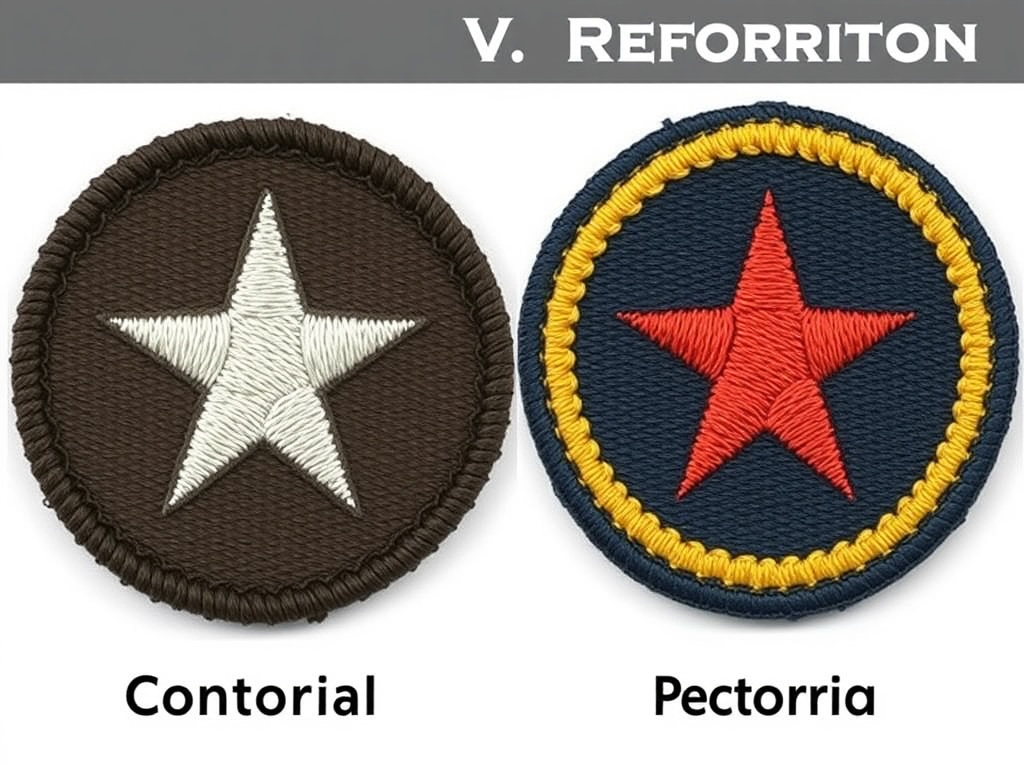
2. How to Spot Authentic vs Reproduction Patches
This is where most collectors get burned. Reproductions are everywhere, and some are convincing enough to fool inexperienced buyers.
What to look for:
- Backing material: Older patches often use cheesecloth or rough fabric backs.
- Thread aging: Authentic patches show natural wear, not artificial distressing.
- Edge stitching: Vintage borders are usually less uniform than modern machine-perfect edges.
- UV reaction: Many modern threads fluoresce under blacklight; older ones usually don’t.
If a deal feels too clean or too cheap, it usually is.
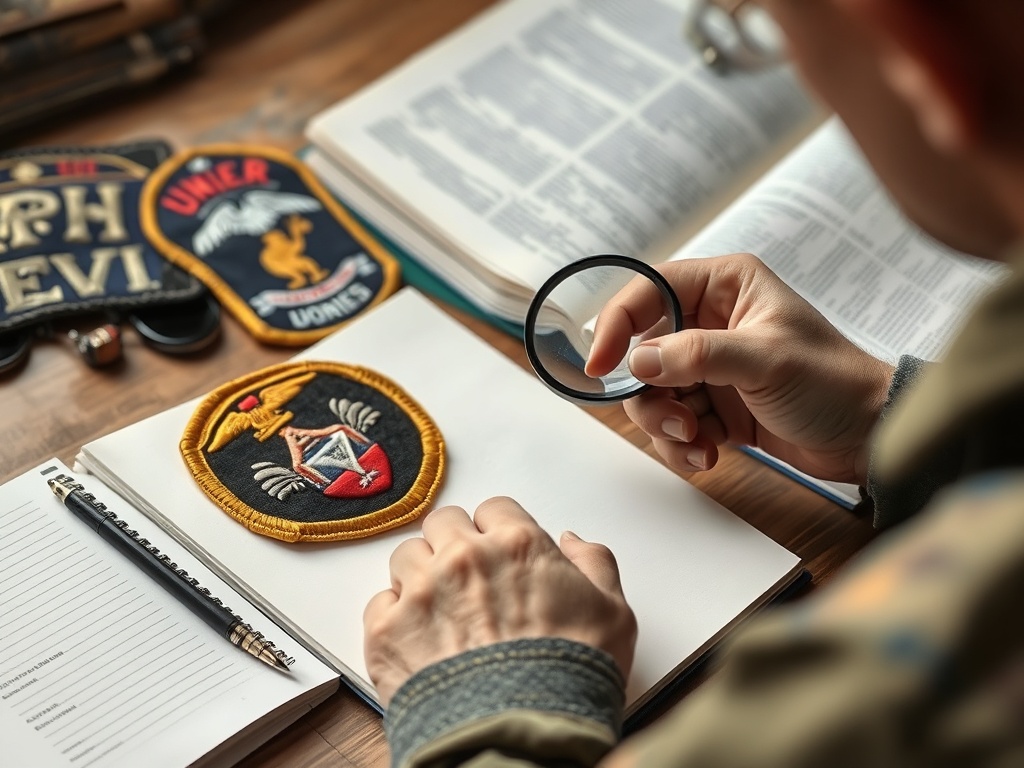
3. Building a Focused Collection Strategy
The fastest way to stall out is collecting everything. Serious collectors narrow their scope early.
Popular strategies:
- Single conflict focus: e.g., WWII-only patches
- Unit specialization: Airborne, armored divisions, or naval aviation
- Geographic focus: Specific countries or regions
- Theme-based: Special operations, medical units, or training schools
A focused collection becomes easier to manage, easier to display, and more appealing to future buyers or traders.
4. Where Serious Collectors Actually Find Good Patches
The best pieces rarely come from obvious places. While online marketplaces are convenient, they’re also saturated with reproductions.
Better sourcing channels:
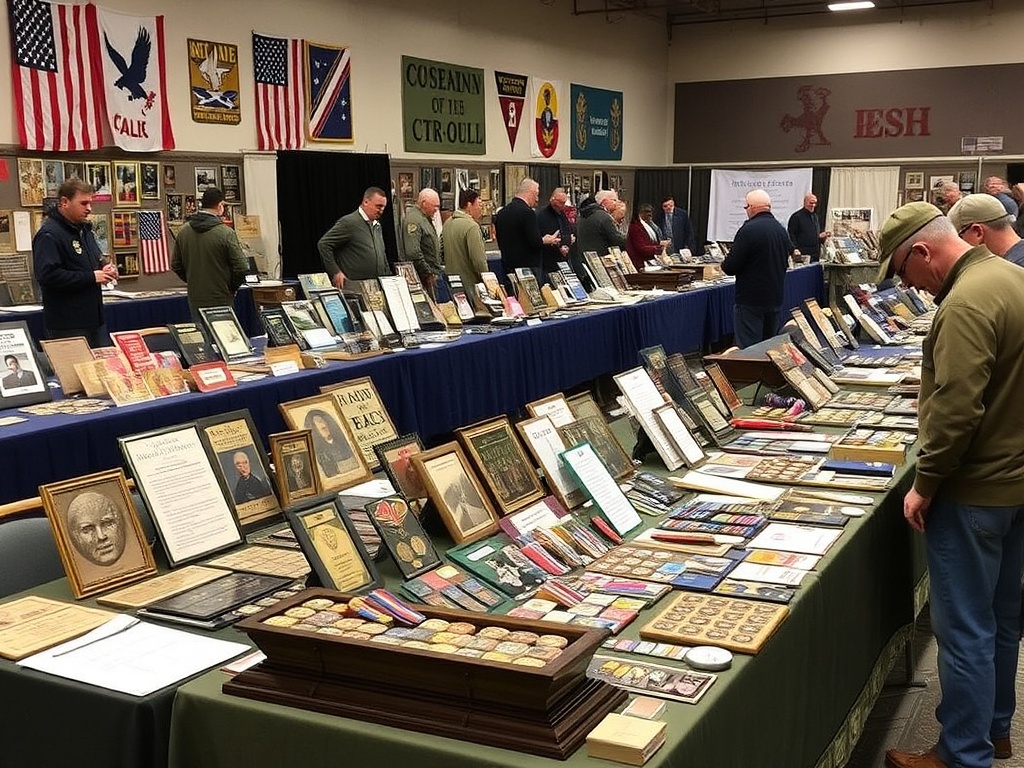
- Military shows and collector conventions
- Estate sales and auctions
- Direct trades with other collectors
- Veteran family collections
The more direct the source, the better your odds of finding authentic pieces with real provenance.
5. Pricing and Negotiation: Avoid Overpaying
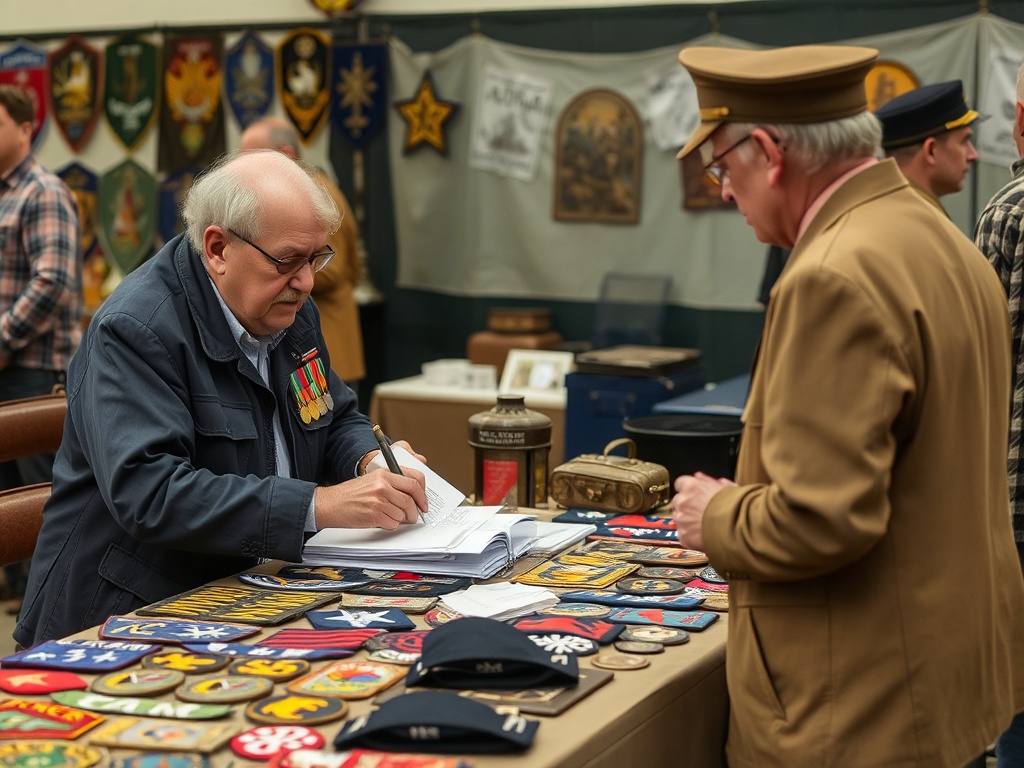
Pricing in this space is inconsistent. Two sellers might price the same patch wildly differently.
How to stay grounded:
- Track recent sale prices, not listing prices
- Buy in lots when possible for better value
- Don’t rush rare-looking items without verification
- Build relationships with repeat sellers
Experienced collectors rarely pay asking price. Negotiation is expected.
6. Proper Storage and Long-Term Care
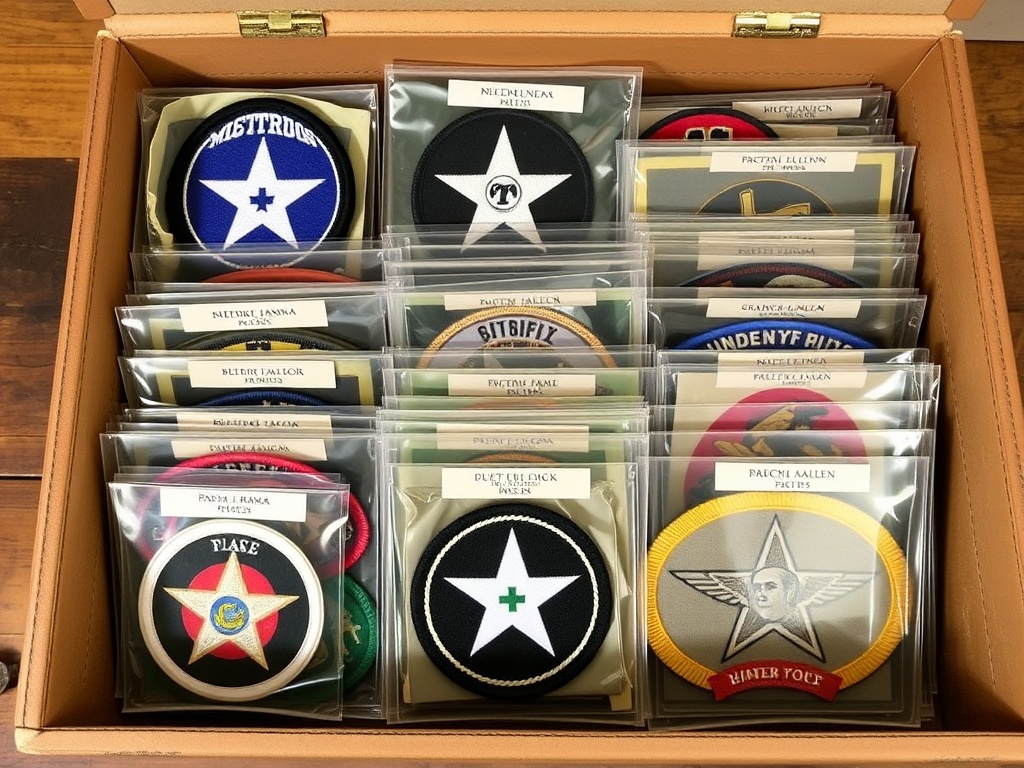
A great collection can lose value quickly if stored poorly.
Best practices:
- Keep patches away from direct sunlight
- Use acid-free backing materials
- Avoid humidity and temperature swings
- Handle with clean hands or gloves
Condition preservation is just as important as acquisition.
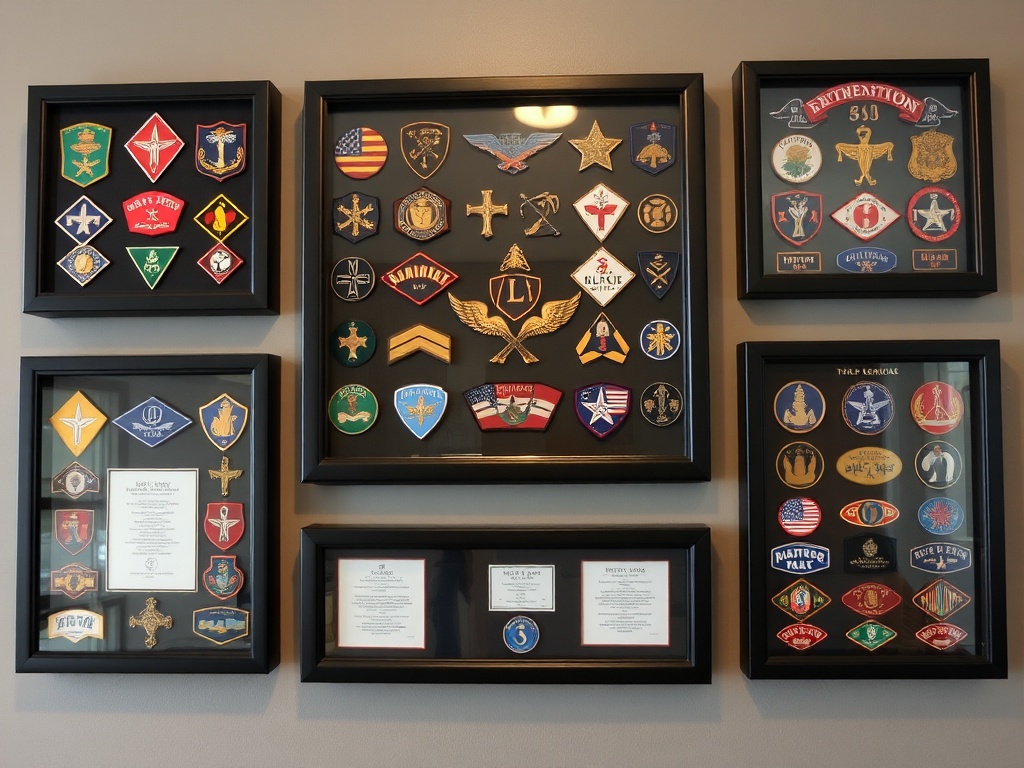
7. Displaying Your Collection Without Damaging It
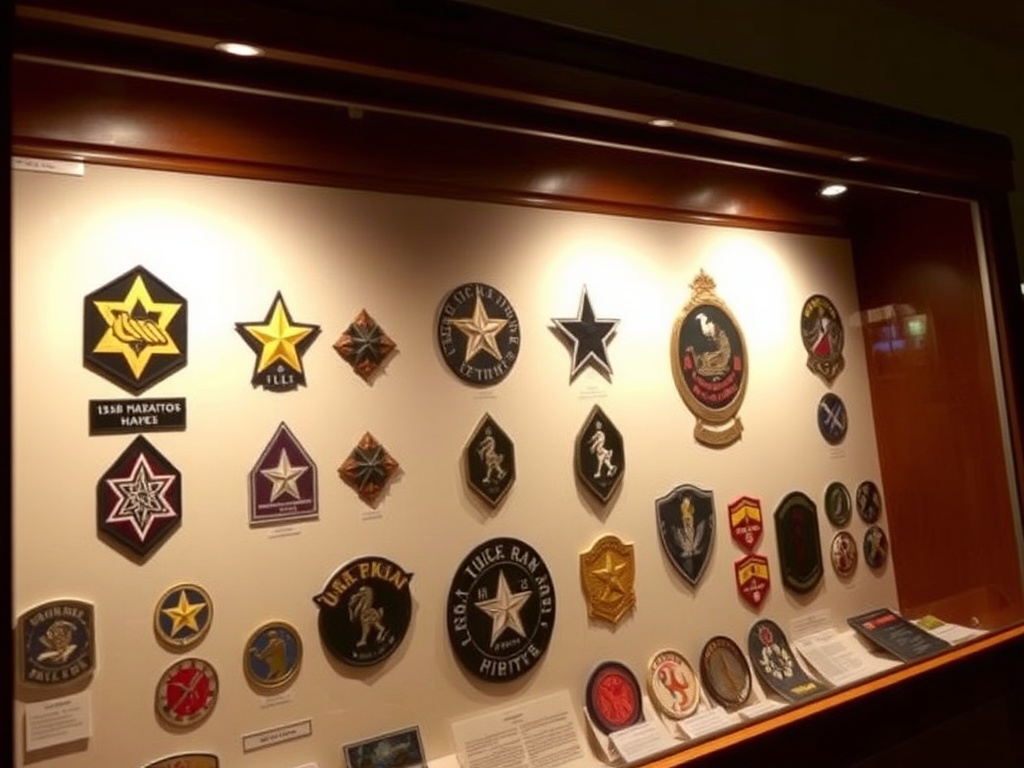
Display matters, but not at the expense of preservation.
Safe display options:
- Shadow boxes with UV-protective glass
- Fabric boards with minimal pin pressure
- Rotating displays to limit light exposure
Permanent exposure to light is one of the fastest ways to degrade colors.
8. When to Sell or Trade Pieces
Even dedicated collectors cycle pieces in and out. Selling strategically can upgrade your collection.
Good times to sell:
- When market demand spikes for a specific unit or era
- When upgrading to higher-quality examples
- When consolidating a scattered collection
The goal isn’t just accumulation—it’s refinement.

9. Common Mistakes That Kill Collections Early
- Buying based purely on looks instead of historical context
- Ignoring authentication
- Overexposing patches to light
- Failing to document acquisitions
A strong collection is built on discipline, not impulse.

Final Thoughts
Military patch collecting rewards patience and attention to detail. The difference between a casual assortment and a serious collection comes down to how intentional you are with each decision.
If you focus on authenticity, condition, and a clear collecting strategy, your collection will naturally become more valuable—both financially and historically.