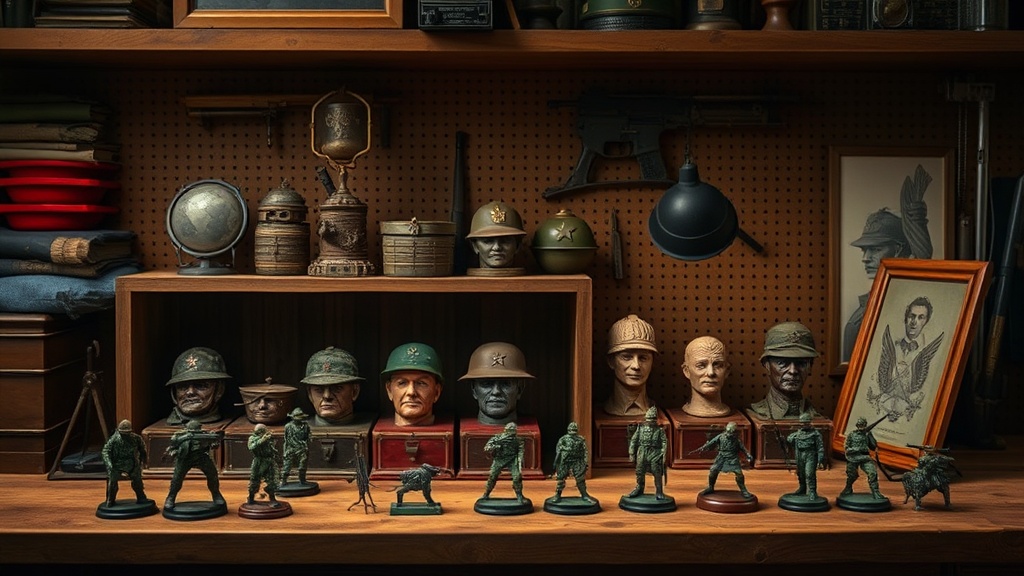
Storage Solutions for Small-Scale Military Collectibles

Protecting Your Small-Scale Assets
Imagine opening a storage bin only to find that your vintage brass insignia has turned a dull, chalky white, or that your meticulously kept embroidered patches are covered in a fine layer of gray dust. It's a heartbreaking sight for any serious collector. Small items—the bottles, caps, and tiny metal bits that make up the backbone of many collections—are surprisingly vulnerable to the environment. This post covers the best physical storage methods for small-scale collectibles to ensure they don't degrade before you can even display them.
When dealing with items like metal insignia or small bottles, the enemy isn't just time; it's oxygen, moisture, and light. A simple wooden shelf might look good in a living room, but it's a terrible environment for a collection of brass pins. You need a strategy that accounts for the specific material of each item. A single solution won't work for a diverse collection containing fabric, metal, and glass.
Why do metal insignia discolor in storage?
Metal oxidation is a chemical reaction, and it happens faster than you think. If you're storing brass, copper, or silver-plated items in a humid basement or a non-climate-controlled attic, you're basically inviting corrosion. Oxygen and moisture react with the surface of the metal to create oxides. This is why many collectors swear by airtight containers. A high-quality display case with a rubber gasket seal can act as a shield against the air that causes this decay.
If you want to go a step further, look into way more than just a box. Use silica gel packets—those little packets that come in new shoe boxes—to soak up excess moisture. For metal items, some collectors even use anti-tarnish strips. These strips are designed to absorb the gases that cause metal to react with the air. It's a small step, but it's much better than finding a blackened mess three years from now.
How should I store vintage embroidered patches?
Fabric is a completely different beast. Unlike metal, which deals with oxidation, patches deal with fiber degradation and light damage. If you leave your embroidered patches sitting on a display board near a window, the UV rays will eventually bleach the thread colors until they look like ghosts of their former selves. This isn't just an aesthetic issue; it's a structural one. UV light breaks down the polymer chains in the thread, making the fabric brittle.
The best way to store patches is flat or in a specialized binder. Avoid rolling them tightly for long periods, as this can create permanent creases in the embroidery. If you're using a display board, ensure it's kept in a dark room or covered with a UV-protective sheet. For those who prefer a more organized approach, acid-free sleeves—the kind used for high-end trading cards—work wonders for keeping dust off the surface without causing chemical reactions with the thread. You can find high-quality archival supplies through specialized hobbyist retailers like Archival Quality to ensure your items stay pristine.
Are glass bottles safe in standard cabinets?
Glass bottles, especially those with vintage labels, are part of a unique subset of the small-scale collection. While the glass itself is relatively stable, the labels are not. Paper labels are highly susceptible to humidity. If your storage area is too damp, the labels might peel, mold, or become illegible. This ruins the historical context of the piece. It's also worth noting that some older glass can be prone to "glass disease" if the chemical composition is unstable, though this is rare.
A glass-fronted cabinet is a great way to show off your bottles while keeping them behind a physical barrier. However, the cabinet itself must be in a room with stable temperature and humidity. Avoid placing these cabinets directly against an exterior wall, as temperature fluctuations can cause condensation to form inside the glass, which is a death sentence for paper labels. If you're serious about your display, a dedicated display case with controlled lighting is the way to go.
Common Storage Mistakes to Avoid
A few things to keep an eye on as you build your collection:
- Using standard plastic bins: Many cheap plastic bins off-gas chemicals (like VOCs) that can actually damage your items over time. Look for "acid-free" or "archival-grade" labels.
- Ignoring the light: Even LED lights can emit enough energy to cause subtle color shifts over years of constant exposure.
- Neglecting humidity: A hygrometer is a cheap tool that can save you thousands of dollars in ruined inventory. It's a small investment for a massive payoff.
When you're sourcing materials for your collection, it's helpful to look at professional museum standards. The Library of Congress provides extensive resources on how historical artifacts are preserved, which can be applied to your personal collection of small-scale military collectibles. Whether it's a brass pin or a silk patch, the goal is the same: slow down the clock as much as possible.
Whether you're a casual collector or a high-end investor, your storage choices define the longevity of your collection. Don't let a lack of foresight turn your prized possessions into junk. It's better to spend a little more on a decent display case now than to spend years trying to clean up the mess of a poorly stored collection later.