Where Did Morale Patches Originate and Why Do Collectors Chase Them?

More than 60% of active-duty service members admit to owning at least one unofficial morale patch—and that's not counting the millions stashed in veteran footlockers and collector binders across the country. These small, often irreverent pieces of embroidered art have become a cultural phenomenon that bridges military tradition and pop-culture collecting. But their story isn't just about snarky sayings and Velcro backing—it's about identity, camaraderie, and the human need to laugh when things get tough.
This post digs into the world of military morale patches: what they are, why troops wear them, which ones fetch surprising prices on the secondary market, and how to spot authentic vintage pieces versus modern reproductions. Whether you're building a display case of rare specimens or just curious about that unusual patch at your local flea market, you'll find practical guidance here.
What Exactly Are Morale Patches?
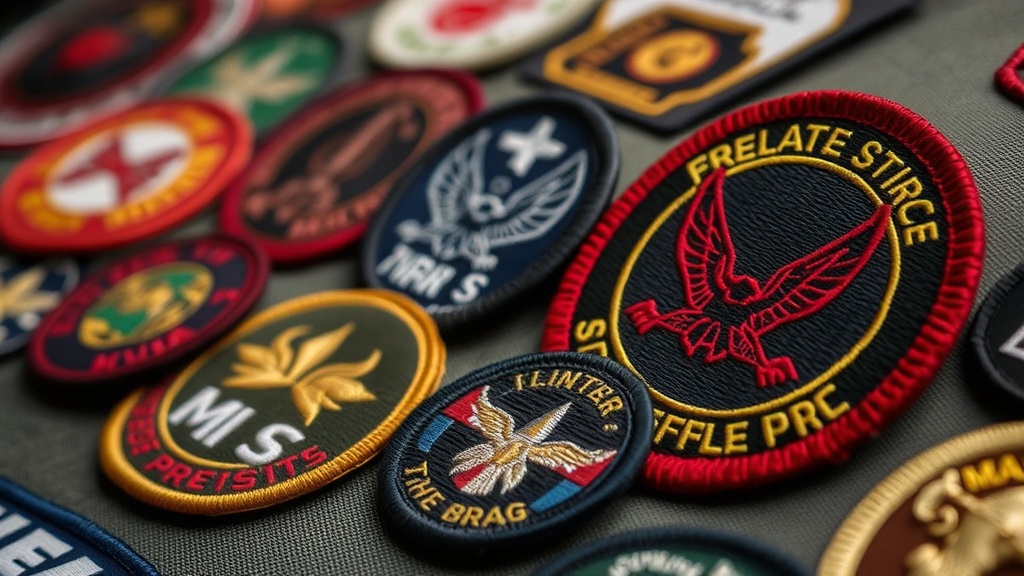
Morale patches—sometimes called " Velcro patches," "tactical patches," or simply "morale"—are unofficial embroidered or PVC insignia worn on uniforms, gear, or civilian clothing. Unlike official unit patches (which carry regulations and restrictions), morale patches exist in a gray area of military culture. They're the wink across the room, the inside joke shared between squadmates, the reminder that even in serious situations, humor survives.
These patches typically attach via hook-and-loop (Velcro) fasteners, making them easy to swap depending on mood, mission, or commanding officer's tolerance. You'll find them on plate carriers, range bags, backpacks, and ball caps. Designs range from pop-culture references and dark humor to unit-specific mottos and political commentary. Some are beautifully embroidered; others are molded PVC that's waterproof and nearly indestructible.
The collecting appeal is obvious—each patch represents a moment, a unit, a deployment, or a sentiment. Unlike official insignia (which are standardized), morale patches are limited runs, often produced in batches of 50 or 100. Once they're gone, they're gone. That scarcity drives the secondary market, where rare patches from specific units or events can sell for $50 to $200—sometimes more.
What's the History Behind Morale Patches?
The tradition of unofficial military insignia stretches back further than you might think. During World War I, British and American troops began creating informal unit symbols and "sweetheart" patches to identify themselves and boost spirits. By World War II, bomber crews were painting nose art on aircraft—and carrying that same irreverent spirit into small, hand-made patches worn on flight jackets.
Vietnam accelerated the trend. Special Forces units operating in unofficial spaces began creating their own insignia, often reflecting the absurdity and darkness of their missions. These weren't regulation-issue items—they were produced locally in Vietnam, Thailand, and Japan, often using local embroidery shops. The quality varied wildly, but the sentiment was consistent: this patch says something about who we are and what we've seen.
The modern morale patch as we know it emerged in the early 2000s during the Global War on Terror. The widespread adoption of Modular Lightweight Load-carrying Equipment (MOLLE) and plate carriers with ample Velcro real estate gave troops space to personalize their gear. Companies like Mil-Spec Monkey and Maxpedition began producing tactical gear with hook-and-loop fields specifically designed for patch display.
Simultaneously, small businesses and individual designers started creating patches that spoke to military culture—sometimes from within it, sometimes from outside. The market exploded. Today, there's an entire ecosystem of patch makers, collectors, and trade shows dedicated to these small pieces of fabric and rubber.
Which Morale Patches Are Worth Collecting?
Not all morale patches are created equal. The secondary market values certain characteristics that collectors should understand before opening their wallets. Here's what drives value in the morale patch world:
- Unit exclusivity: Patches created for—and restricted to—specific military units command premium prices. A patch made for a Navy SEAL Team 6 training class of 20 people will always outvalue a mass-produced design sold at gun shows.
- Event commemoration: Patches marking specific deployments, operations, or exercises carry historical weight. Operation Iraqi Freedom and Operation Enduring Freedom patches from early deployments are increasingly sought after.
- Artist collaborations: Limited runs featuring well-known military artists or designers (like Tactical Fanboy contributors) often appreciate in value, especially when signed or numbered.
- Production quality: High-thread-count embroidery, detailed PVC molding, and glow-in-the-dark or infrared (IR) materials indicate premium production—and collectors notice.
- Provenance: Patches with documented history—photos of them being worn in theater, certificates of authenticity from the maker—carry significant premiums over "mystery" patches.
Modern reproductions flood the market, especially for popular designs. A "Fallujah 2004" patch that sells for $3 at a surplus store is almost certainly a knockoff. Authentic, theater-made patches from that era start around $40 and climb rapidly depending on condition and documentation.
How Can You Tell If a Morale Patch Is Authentic?
Authentication in the morale patch world is more art than science—there's no central registry, no standardized markings, and many legitimate patches were made in small batches by local shops overseas. That said, experienced collectors look for several indicators when evaluating a patch's authenticity and origin.
First, examine the backing. Theater-made patches from Vietnam, Iraq, or Afghanistan often used local hook-and-loop that differs from American-made products. The stitching might be irregular, the backing material slightly different in texture or color. These aren't flaws—they're fingerprints of authentic production.
Second, study the design details. Reproductions often simplify complex original designs to reduce production costs. Compare the patch against documented examples from reference books or collector databases like the U.S. Militaria Forum. Subtle differences in color, proportion, or text spacing reveal copies.
Third, consider the source. Patches purchased directly from veterans, at unit reunions, or from established collectors with documented histories carry more weight than eBay "finds" with vague descriptions. Ask questions: Where did this come from? Who made it? How many were produced? Legitimate sellers of rare patches usually have answers—or they'll tell you honestly when they don't know.
Fourth, PVC patches present their own challenges. Modern reproductions use cheaper, more brittle rubber compounds. Authentic military-grade PVC (often called "rubber" patches) have flexibility, detailed molding, and consistent coloration. Hold the patch to light—quality PVC has depth and dimension; cheap copies look flat and painted.
How Should You Store and Display Your Collection?
Morale patches present unique storage challenges. Unlike paper collectibles that sit flat in albums, patches have dimension—embroidery creates texture, PVC adds weight, and hook-and-loop backing clings to everything. Improper storage damages these characteristics over time.
For display, shadow boxes with Velcro-compatible backing boards work beautifully. The patches attach securely but remain removable—you can rearrange, swap, or examine them without damage. Avoid direct sunlight (which fades embroidery and discolors PVC) and extreme temperature fluctuations (which degrade adhesives and backing materials).
For storage, individual polyethylene bags prevent PVC patches from sticking to each other and protect embroidered patches from dust and abrasion. Never store patches in PVC bags long-term—the plasticizers can interact and cause damage. Acid-free cardstock or photo albums with pocket pages offer affordable protection for growing collections.
Document everything. Photograph your patches, record acquisition dates and sources, and maintain a spreadsheet of maker information, production numbers, and any provenance details. This documentation transforms a casual accumulation into a serious collection—and protects your investment if you ever choose to sell.
Where Is Morale Patch Culture Heading?
The morale patch phenomenon shows no signs of slowing. If anything, it's expanding beyond military circles into law enforcement, emergency services, outdoor enthusiasts, and even corporate culture. Companies now commission morale patches for team-building events. Gun ranges sell them at counters. Custom patch makers operate on Etsy, turning around designs in days rather than months.
This democratization brings challenges. The market is flooded with derivative designs, low-quality imports, and copyright-infringing pop-culture knockoffs. Serious collectors must be more discerning than ever, developing relationships with reputable makers and learning to recognize quality.
Yet the core appeal remains unchanged. A morale patch is a small, portable piece of identity—something you can attach, remove, trade, or treasure. It says "I was there," or "I belong here," or simply "I think this is funny." In a world of digital communication, there's something satisfying about a physical object that speaks without electricity.
For collectors, the opportunity is significant. Early Global War on Terror patches are entering their "vintage" phase. Unit-specific designs from defunct special operations task forces become historical artifacts as missions declassify. Each year, new collectors enter the hobby while original sources (veterans with theater-made patches) gradually diminish. Economics 101 suggests where that trend leads.
The patch on your range bag today might be the centerpiece of someone's collection tomorrow. Choose wisely, care for it properly, and remember: the best collections aren't built by accident. They're assembled by people who understand that small things carry big stories—and that stories, properly preserved, become history.