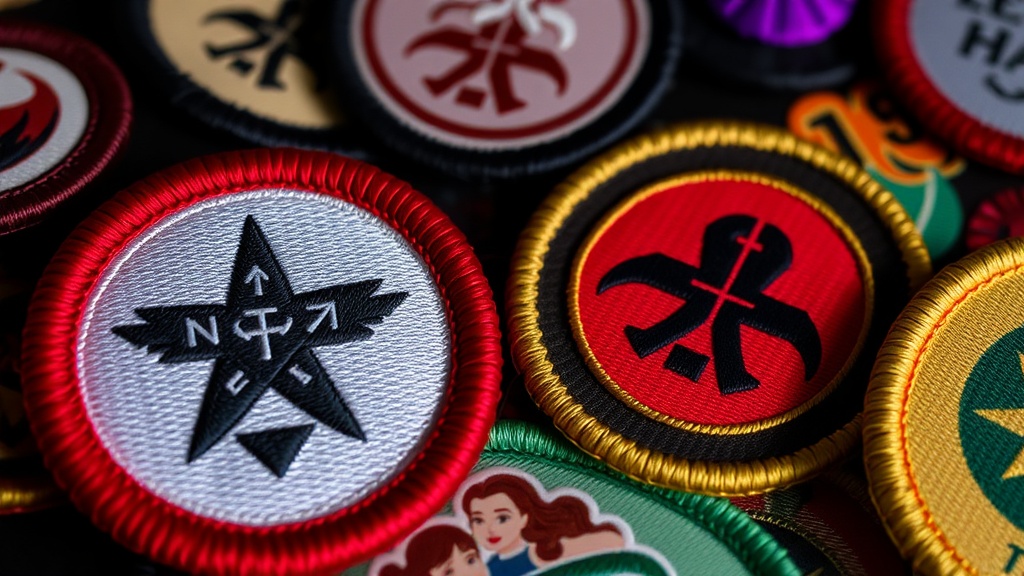
Why Theater-Made Patches Often Outvalue Official Issue Pieces

The Misconception: Official Means Valuable
Most collectors assume the highest-value military patches bear government contract numbers, standardized designs, and factory-perfect stitching. That mindset's backwards—and it's costing people money. The patches that frequently command premium prices at auction weren't produced in some stateside facility with quality control inspectors. They were sewn in cramped hooches, dusty backrooms, and local tailor shops by soldiers who needed something recognizable right now. Theater-made patches—those produced in-country during active deployments—represent some of the most sought-after pieces in military collectibles. Understanding what separates legitimate theater-made specimens from modern junk requires looking at context, materials, and the stories embedded in irregular stitches.
What Makes a "Theater-Made" Patch Authentic?
Authentic theater-made patches emerged from necessity. When units arrived in theater without approved insignia, when regulations hadn't caught up to new formations, or when soldiers wanted something distinct for their flight jackets or kit bags, they improvised. These patches weren't contraband—they filled gaps official supply chains couldn't address.
Materials tell the first story. Theater-made pieces from Vietnam often feature rayon threads unavailable in later decades. WWII examples might use British-made twill bases in Pacific theaters or Italian silk in the Mediterranean. You'll see hand-embroidery alongside machine work, zinc-based metal bullion that tarnishes differently from modern alloys, and backing materials that match local uniform fabrics rather than standard-issue wool.
The imperfections matter. Slightly crooked lettering, threads that don't perfectly match batch-to-batch, dimensions that vary by a quarter-inch—these aren't flaws. They're fingerprints. Official manufacturers standardized everything. Theater operations couldn't, and didn't try to. A patch made by a Vietnamese seamstress in 1969 for an LRRP team looks different from the "same" design made by a different seamstress three blocks away. That variation scares novices. It excites serious collectors.
How Can You Tell Theater-Made Patches from Modern Reproductions?
This distinction trips up even experienced collectors. Modern reproductions can look old—artificial aging techniques have improved dramatically. But reproductions get the context wrong.
Start with the back. Theater-made patches from hot, humid climates often show water staining, mildew patterns, or salt residue that reproducers rarely replicate convincingly. The threading on reverses tells tales: hand-tied knots, inconsistent stitch counts, and local thread brands that don't match modern polyester equivalents. Vietnam-era pieces might use "clamshell" twill weaves specific to Asian textile mills of that period—something you'd need microscopy or serious reference materials to identify definitively.
Design knowledge protects you. Reproducers copy what sells. They recreate famous division patches, airborne units, Marine Corps emblems. But theater-made patches existed for obscure signal detachments, temporary task forces, and unit-specific morale purposes that never appeared in documentation. Finding a patch for the "3rd Platoon, 527th Maintenance Company" doesn't scream reproduction—it screams research opportunity. Real theater-made oddities outnumber fakes precisely because faking the obscure doesn't pay.
Metal components require special attention. Theater-made metal insignia—collar disks, cap badges, small unit emblems—frequently used locally-sourced alloys. WWII Pacific theater pieces sometimes incorporated Japanese aluminum from salvaged aircraft. Vietnam-era metalwork shows different oxidation patterns than stateside brass. These material signatures resist fakery because modern reproducers use whatever's cheap and available, not what's historically accurate.
Documentation helps when available, but most theater-made pieces lack paperwork. Soldiers didn't receive certificates of authenticity from Saigon tailors. Provenance comes from estate sales, veteran interviews, and grouping with other period items. A patch accompanied by original photographs, letters mentioning the unit, or accompanying uniform components carries weight that standalone pieces cannot match.
Why Do Collectors Pay More for Unofficial Military Patches?
The premium isn't nostalgia—it's scarcity combined with authenticity. Official patches existed in the hundreds of thousands. Theater-made examples number in dozens or hundreds. When a specific Long Range Reconnaissance Patrol team commissioned twenty patches from a local shop in 1970, and maybe twelve survived, you've entered genuine rarity territory.
There's also the narrative factor. Official patches say "I served." Theater-made patches say "I was there, specifically, during this specific moment, with these specific people." The 1st Cavalry Division patch identifies a branch. A hand-embroidered "Garry Owen" variant made in Bong Son during the 1966-67 dry season identifies an individual's experience within that branch. Collectors aren't just buying cloth and thread—they're buying proximity to unrecorded history.
Market data supports this. Auction houses like Heritage Auctions regularly see Vietnam theater-made SOG (Studies and Observations Group) patches exceed $500-800, while their official counterparts stall at $50-75. WWII airborne theater-made variants—particularly those from British or Italian production—routinely outprice standard issue by factors of ten or more. The National WWII Museum maintains extensive reference collections specifically because these pieces document operational history that official records missed.
Condition expectations differ too. Collectors accept minor damage on theater-made pieces that they'd reject in official patches. A small tear, some fading, a repair—these become evidence of use rather than defects. The goal shifts from pristine preservation to authentic connection.
Starting Your Theater-Made Collection
You don't need deep pockets to begin. Focus on specificity rather than fame. Everyone wants MACV-SOG or OSS theater-made pieces. Fewer collectors pursue aviation maintenance units, transportation companies, or civil affairs detachments. These quieter corners yield genuine finds at accessible prices.
Build reference libraries. The American Society of Military Insignia Research publishes detailed references on theater-made variations. Unit histories—particularly self-published veteran memoirs—often contain photographs showing unofficial patches in wear. Cross-referencing these images against specimens builds confidence.
Network with specialists. Theater-made collecting rewards relationships. Dealers who understand this niche explain why they attribute pieces to specific periods. They'll point out thread types, backing materials, and construction methods. Generalists often mislabel theater-made pieces as "reproductions" or "unknown"—creating opportunity for educated buyers.
Trust your eyes over your expectations. If a patch looks slightly wrong according to official specifications, investigate rather than dismiss. Some of the most significant finds in military collectibles started with "this doesn't look right" and ended with "this shouldn't exist, yet here it is." The irregular, the improvised, the locally-produced—these pieces carry stories that standardized insignia cannot tell. That's worth the premium.